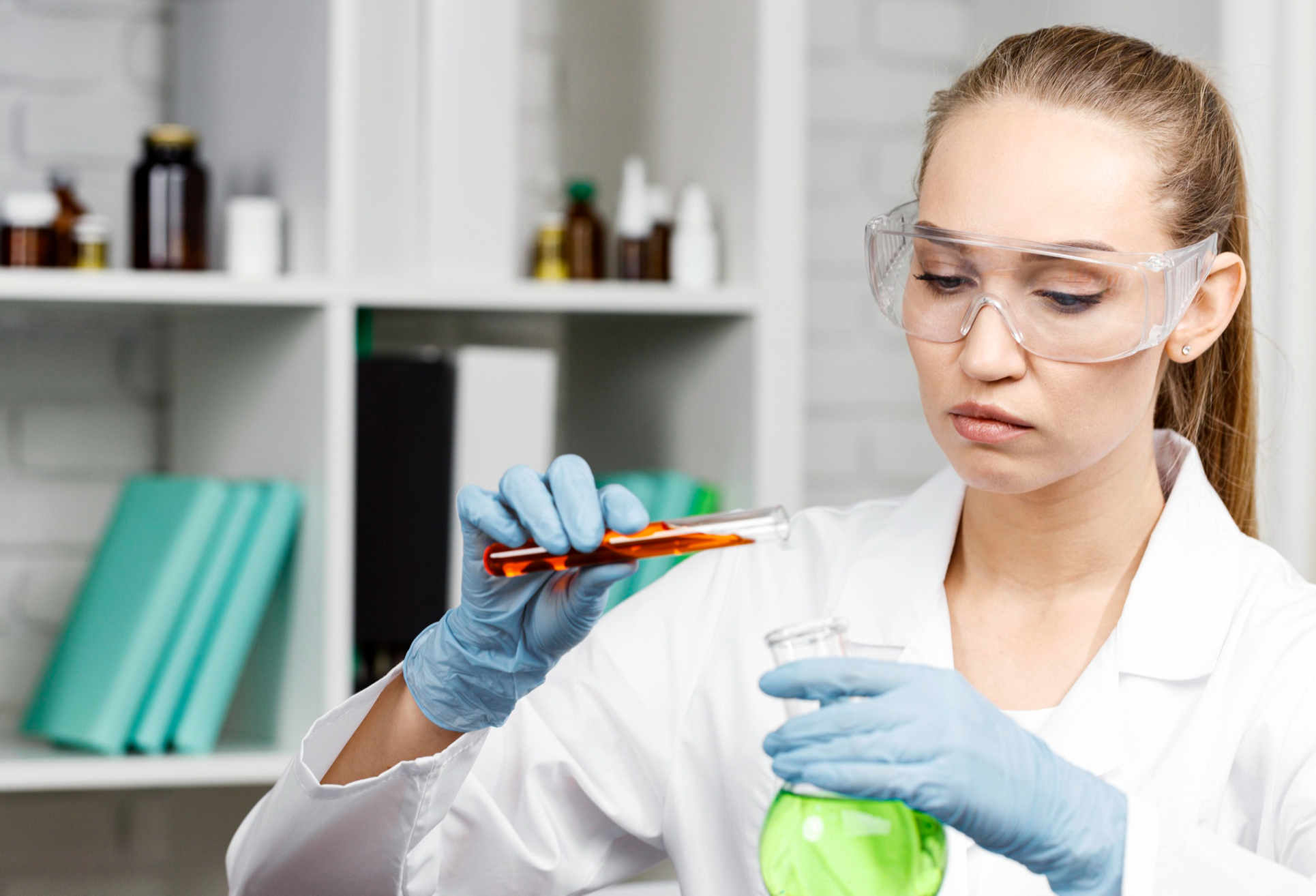
What is Biomanufacturing?

Imagine a Kitchen...

But instead of making food, scientists are creating
the perfect recipe for life-saving medicine.

They are testing ingredients, adjusting measurements,and
figuring out exactly how to make something that works.

Biomanufacturing is the next step: taking that recipe into a carefully
controlled “kitchen” where living cells act as tiny chefs, producing medicines
and products safely, consistently, and at a large scale.

“And you don’t need a degree to be part of it — just training!”

A Day in the Life: Biomanufacturing Technician

Biomanufacturing Technicians are the cooks, following the recipe with care, precision, and attention to detail.Training programs help you learn the skills for the job.


Here’s what you can expect a typical day to look like for a Biomanufacturing Technician:

7:45 a.m. – Gearing Up
You arrive on site and change into protective gear in a cleanroom dressing area. This includes a gown, gloves, hair cover, and safety glasses. Biomanufacturing happens in carefully controlled environments to keep products safe and sterile.
8:00 a.m. – Team Huddle
The shift often starts with a quick team meeting. Supervisors review production goals, safety reminders, and any updates from the previous shift. Biomanufacturing is highly collaborative — clear communication keeps everything running smoothly.
8:30 a.m. – Preparing Equipment
You help set up stainless steel or single-use equipment used to grow cells that will become medicines. This might include checking gauges, connecting tubing, or verifying that tanks are cleaned and ready. Attention to detail is critical.
10:30 a.m. – Monitoring the Process
Once production is underway, you monitor computer systems and physical equipment. Temperatures, pressure levels, and pH balances must stay within precise ranges. If something drifts outside the norm, the team follows established procedures to correct it.
12:00 p.m. – Lunch Break
Biomanufacturing facilities often run 24/7, so teammates rotate shifts. Schedules are predictable, and many companies offer strong benefits.
1:00 p.m. – Documentation
Every step must be carefully recorded. You log data, complete electronic batch records, and double-check entries. In this field, “if it’s not documented, it didn’t happen.” Accuracy matters because you are making life-saving products for patients.
2:30 p.m. – Quality Check
You work with the quality team to collect samples for testing. Biomanufacturing combines hands-on technical work with science-based problem solving.
3:30 p.m. – Shift Wrap-Up
Before heading home, you update the incoming shift so production continues seamlessly.

Examples of roles in the industry

A career in biotech offers a large variety of jobs with opportunities to progress that don’t require advanced degrees. Here is a sampling of the types of roles you can expect to find in a career in the life sciences.

Biomanufacturing Technician

Biomanufacturing Technicians help produce life-saving medicines in highly controlled cleanroom environments. They operate equipment, follow detailed procedures, monitor processes, and document every step to ensure products are made safely and consistently. This role is hands-on, team-oriented, and ideal for people who enjoy structured work and making a direct impact on patient health.

  • Gowning up and working in a cleanroom environment
  • Operating bioreactors, filtration systems, or production equipment
  • Following detailed manufacturing procedures (SOPs)
  • Monitoring temperature, pressure, and production conditions
  • Recording data and completing required documentation
  • Working closely with a production team to meet batch goals

Why Central MA

Central Massachusetts is one of the fastest-growing destinations in the country for life sciences jobs
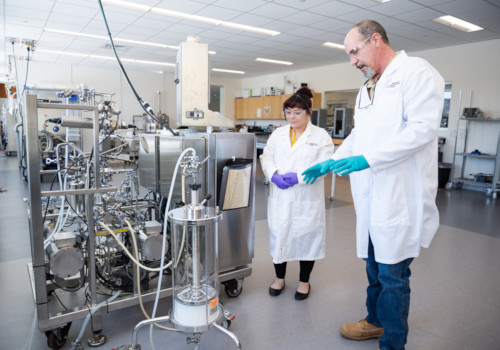
Abundance of Training Programs

Worcester County is home to 13 Colleges and Universities with life sciences programs at all levels and an abundance of Certificate Programs
Variety of Employers

60 biotech companies have already established their home in Worcester.
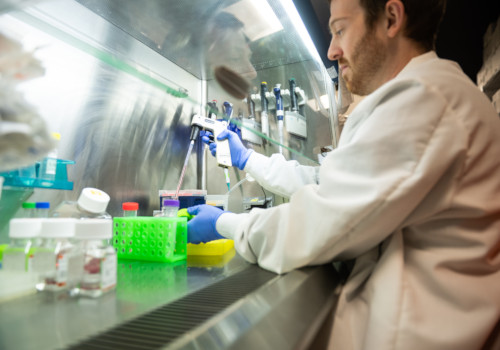
Growing Job Opportunitie

Worcester County was the only county in Massachusetts with positive growth in biomanufacturing jobs, according to the MassBio 2024 Industry Snapshot.

FAQs

What kinds of things would I be making?

In biomanufacturing you could help make life-saving medicines and therapies used to treat cancer, autoimmune diseases, genetic conditions, and more. Depending on your role, you might be producing vaccines, cell and gene therapies, or other advanced biologic medicines, all in highly controlled, high-tech environments. It’s hands-on work that directly impacts patients’ lives.

I’ve never thought of myself as a scientist. How do I know this is right for me?

That’s okay! Some people in biomanufacturing don’t start out thinking they’re “scientists.” Many roles are hands-on and skills-based. What matters most is being reliable, detail-oriented, and open to learning. If you like working with your hands, following clear steps, or solving practical problems, this field could be a great fit. Our programs are designed for beginners - no prior experience required. Take this quiz to find out what kind of position might be best for you.

What if I spend time and money doing a training program and then can’t find a job in the industry?

While a job cannot be guaranteed upon the completion of a program, our teams work hard to get you connected to opportunities within the life sciences industry. Throughout your program, you will have many face-to-face interactions with representatives from industry who are invested in your education/training experience. Your program will also offer career fairs or interview sessions with representatives from industry, so you’ll have plenty of opportunities to make a good impression even before you finish your training program.

I already work full time. How can I fit in a new training program?

Some training programs are offered after normal work hours like the WPI Fundamentals of Biomanufacturing program.

What if I don’t have any experience in the sciences?

That’s alright! Entry-level positions at many employers are open to hiring people with no prior work experience in science as long as they complete some sort of training program to gain hands-on, relevant experience.

Glossary

If you are new to the field, some of the terminology may be confusing. This glossary is designed to help you better understand key terms and abbreviations.

Glossary

Select a letter above to filter terms, or click the button below to view the full list.

View All Terms

Aseptic Technique

Practices used to prevent contamination while handling sterile materials.

Autoclave

A sterilization device that uses high-pressure, saturated steam to kill microorganisms such as bacteria, viruses, fungi, and spores.

batch

A specific quantity of product produced during a single, uninterrupted manufacturing cycle under uniform conditions in a closed system.

Batch Record

The official documentation of all steps, materials, and results for a manufacturing batch.

Bioethics

The study of ethical, legal, and social issues that arise in biological and medical research—for example, genetics, cloning, and stem cell use.

Biohazard

Any biological material that poses a threat to human, animal, or environmental health, such as viruses, human blood, bodily fluids, or contaminated sharps.

Bioindustrial Manufacturing

Using biological processes to create chemicals, materials, fuels, and other industrial products.

Biomanufacturing

Using living systems (cells, microorganisms, or enzymes) to produce products such as pharmaceuticals, biofuels, or advanced materials.

Biomanufacturing Technician

A manufacturing technician is responsible for carrying out assigned production operations following a defined schedule in a cGMP environment. Tasks may include monitoring bioreactors, preparing buffers, cleaning production areas, and documenting production steps accurately.

Biopharmaceuticals (Biologics)

Medicinal products produced in, extracted from, or semi-synthesized using biological sources such as cells or tissues.

Bioreactor

A vessel or system that supports biological processes—for example, growing cells or microorganisms under controlled temperature, pH, and nutrient conditions.

Biosafety

Practices and containment procedures used to prevent exposure to or release of potentially harmful biological agents. Laboratories follow biosafety levels (BSL-1 to BSL-4).

Biotechnology

The application of biological systems or organisms to develop or manufacture useful products. Biotechnology spans healthcare, agriculture, food processing, environmental management, and more.

BSC (Biological Safety Cabinet)

A ventilated workspace that provides filtered, sterile airflow to protect both the user and samples from contamination.

buffer solutions

A solution that resists changes in pH when small amounts of acid or base are added.

Calibration

Comparing a device’s measurement output to a known, accurate reference standard to ensure reliability.

CAPA (Corrective and Preventive Action)

A quality system process used to investigate, fix, and prevent issues or non-conformances.

CDMO (Contract Development and Manufacturing Organization)

Companies that provide services ranging from drug development to large-scale manufacturing for other organizations.

Cell Culture

Growing cells under controlled conditions in a lab, usually in flasks or bioreactors. Used in research, drug development, and biological production.

cGMP

Regulations that ensure products such as drugs and medical devices are consistently produced and controlled to high-quality standards. They cover materials, equipment, cleaning, documentation, and more.

chromatography

A laboratory technique used to separate, identify, and purify components of a mixture.

Cleanroom

A controlled environment where airborne particles, microbes, and contaminants are kept within strict limits.

Clinical trials

Research studies conducted with humans to evaluate medical or surgical treatments for safety, effectiveness, and side effects.

Clinical Trials Assistant

A Clinical Trials Assistant helps manage behind-the-scenes work for clinical studies. Responsibilities include preparing trial materials, tracking numbers, updating spreadsheets, and coordinating communication between study sites, sponsors, and contract research organizations. Good Documentation Practices (GDP) are essential—highlight any experience with organized record-keeping.

DNA

The molecule that carries genetic instructions for all known living organisms. Many biotech techniques involve analyzing or modifying DNA.

Downstream Processing

The stage after cell growth where the desired product is purified from biomass and impurities.

Drug Discovery

The early stage of pharmaceutical development focused on identifying promising compounds and verifying biological targets.

EM (Environmental Monitoring)

Measuring and testing environmental conditions—such as particle counts, air quality, or microbial contamination—in controlled areas like cleanrooms.

FDA (Food and Drug Administration)

The U.S. agency that regulates and monitors the safety, effectiveness, and quality of drugs, medical devices, food, and related products.

filtration

A separation process that removes solids, impurities, or microorganisms from a fluid using a filter medium.

GDP (Good Documentation Practices)

Standardized principles for creating and maintaining accurate, legible, and traceable records in regulated industries.

Gene Therapy

A treatment that modifies or replaces genes to cure or alleviate disease.

Genetic Engineering

Direct manipulation of an organism’s genome using biotechnology tools to add, remove, or alter genes.

HPAPI

Highly Potent Active Pharmaceutical Ingredient - compounds effective at very low doses due to high biological activity.

ICH

The International Council for Harmonisation of Technical Requirements for Pharmaceuticals for Human Use - creates global guidelines for drug quality, safety, and efficacy

Immunotherapy

A treatment that uses the immune system to fight diseases, commonly cancer.

ISO

The International Organization for Standardization develops global standards for industries and manufacturing.

KPIs (Key Performance Indicator)

Measurable values that track progress toward organizational or project goals.

Lab Technician

Performs technical tasks in a laboratory such as preparing samples, running tests, operating equipment, and recording data to support scientific research and experiments.

LIMS (Laboratory Information Management System)

Software that tracks samples, data, workflows, and compliance information.

Metrology

The science of measurment.

Microbiology

The study of microscopic organisms such as bacteria, viruses, and fungi.

OOT (Out of Trend)

Data that is within specification limits but deviates from expected historical patterns.

osmometer

An instrument that measures osmolality (the concentration of dissolved particles in a solution).

PH Meter

A device used to measure the acidity or alkalinity of a liquid.

PI (Process Instructions)

Step-by-step directions for performing a single, specific task in a manufacturing process.

Pipetting

Accurately measuring and transferring precise volumes of liquid using a pipette.

Process Technician

Supports the day-to-day manufacturing operations in a cGMP facility. They may operate equipment, follow batch records, measure and mix materials, and monitor process parameters. Attention to detail and strong GDP skills are essential.

QA Technician

Quality Assurance technicians ensure that products and operations meet required standards. Daily tasks include reviewing production and lab records, confirming that Standard Operating Procedures (SOPs) are followed, and assisting with audits. Any exposure to Good Manufacturing Practices (GMP) is valuable, as QA heavily focuses on documentation accuracy and compliance.

QMS (Quality Management System)

A formal system documenting policies, procedures, and responsibilities for maintaining quality standards and regulatory compliance.

Quality Control

Testing, inspecting, and verifying that a product meets its required specifications.

Scale-Up

The process of increasing a bioprocess from lab or pilot scale to industrial production while maintaining quality and productivity.

SHE (Safety, Health, and Environment)

Documentation and practices related to workplace safety, chemical handling, incident reporting, and environmental compliance.

solution delivery systems

Technologies and processes used to safely administer therapeutic agents and manufacture those formulations.

SOP (Standard Operating Procedure)

A written, step-by-step instruction document used to perform routine tasks consistently and correctly.

Sterile Gowning

A standardized procedure for putting on sterile protective clothing before entering controlled cleanroom environments.

Sterilization

A validated process that completely destroys or elimaties all form of microbial life.

Upstream Processing

The early stage of biomanufacturing, including cell line development, media preparation, and cultivation of cells or microorganisms.

UV instrumentation

Devices that use ultraviolet light to analyze, measure, or sterilize materials.

Validation

Documented evidence proving that a process consistently produces a product meeting predefined specifications.